Science

Explore how Art, Music, and Science intersect.

“A melody has structure. A painting has balance. A space robot has logic and rhythm.”

Science, like art and music, begins with imagination. For me, these disciplines are not separate. They are different expressions of the same creative curiosity.

This science page is dedicated to MIT Professor Dr. Olivier de Weck , whose work inspired my vision of a Mars habitat.

My Scientific Journey

I am an engineer working in space robotics, contributing to research connected to the International Space Station through my work with MIT. My focus has been on building systems that operate reliably in complex and extreme environments.

Space Robotics & Creativity

I am interested in space robotics. Designing a space robot is similar to composing music or creating a painting. It requires balance, structure, rhythm, and intuition. In microgravity, even small movements must be carefully orchestrated.

Education & Impact

Through STEAM (Science, Technology, Engineering, Art and Mathematics) education initiatives, I work to make space science accessible to students around the world. The goal is not only technical skill, but confidence, curiosity, and creative thinking.
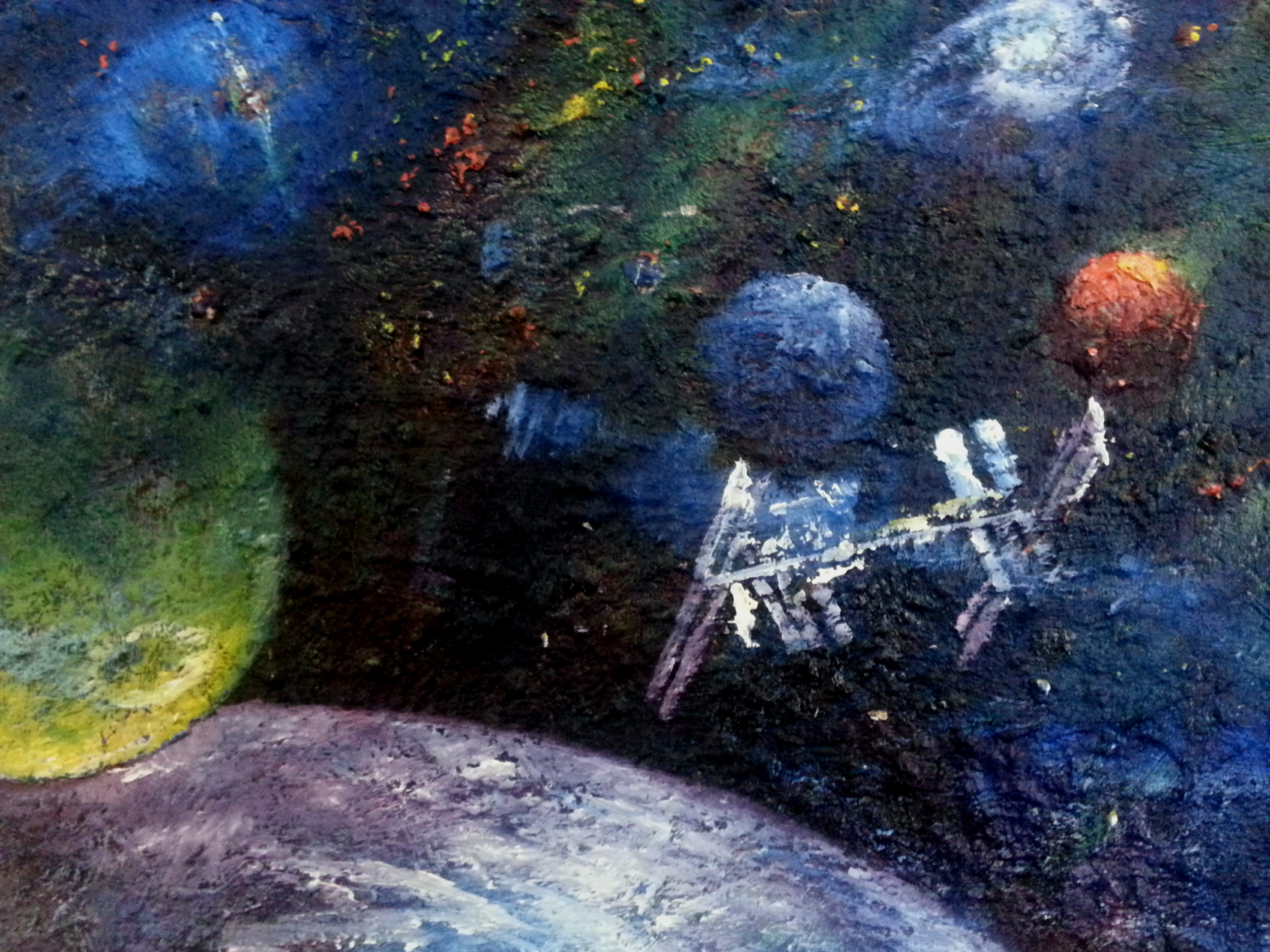
Moon Robotics Mission

Mars Artworks

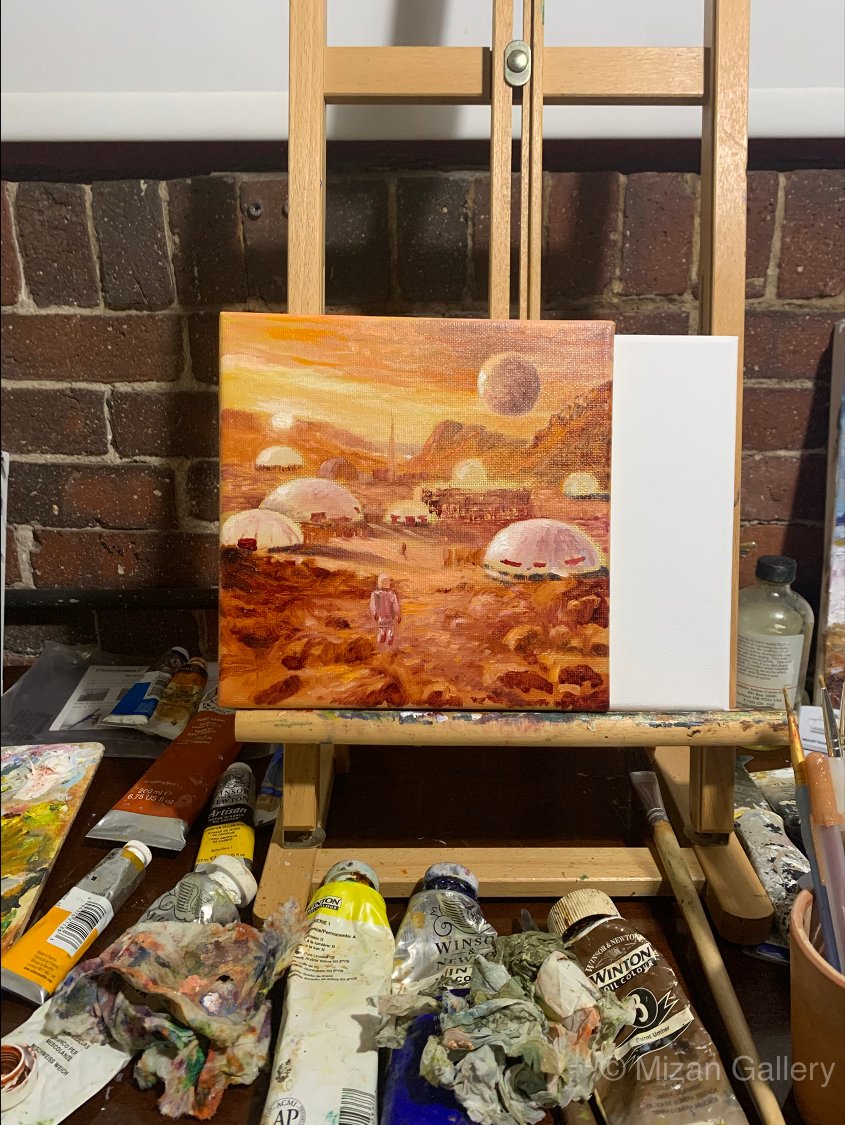
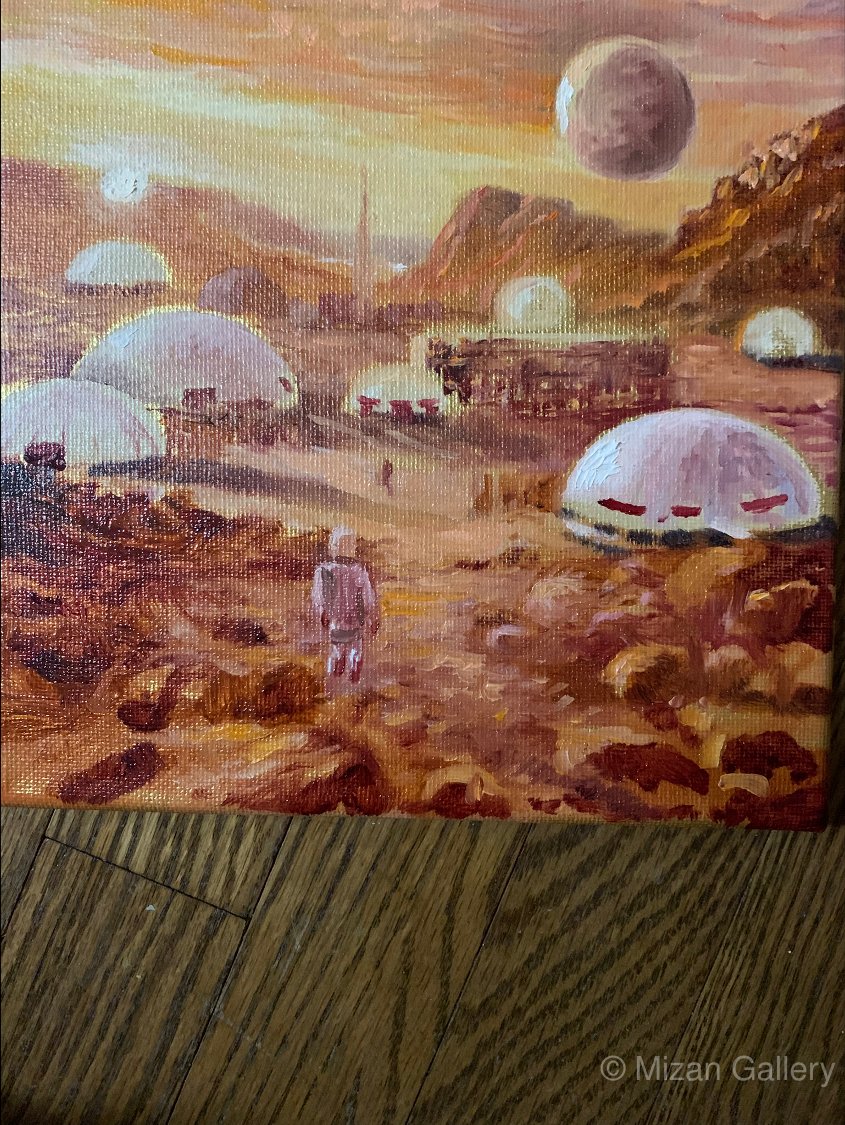
Mars, painted after many failures and a lot of learning

Moon Robotics Mission
Learning to See Mars

Before the brush touched the canvas, I had to unlearn Earth. This study was about observation. Studying Martian terrain, light, and surface patterns, and realizing that Mars is not red in one way, but in many quiet, complex tones.

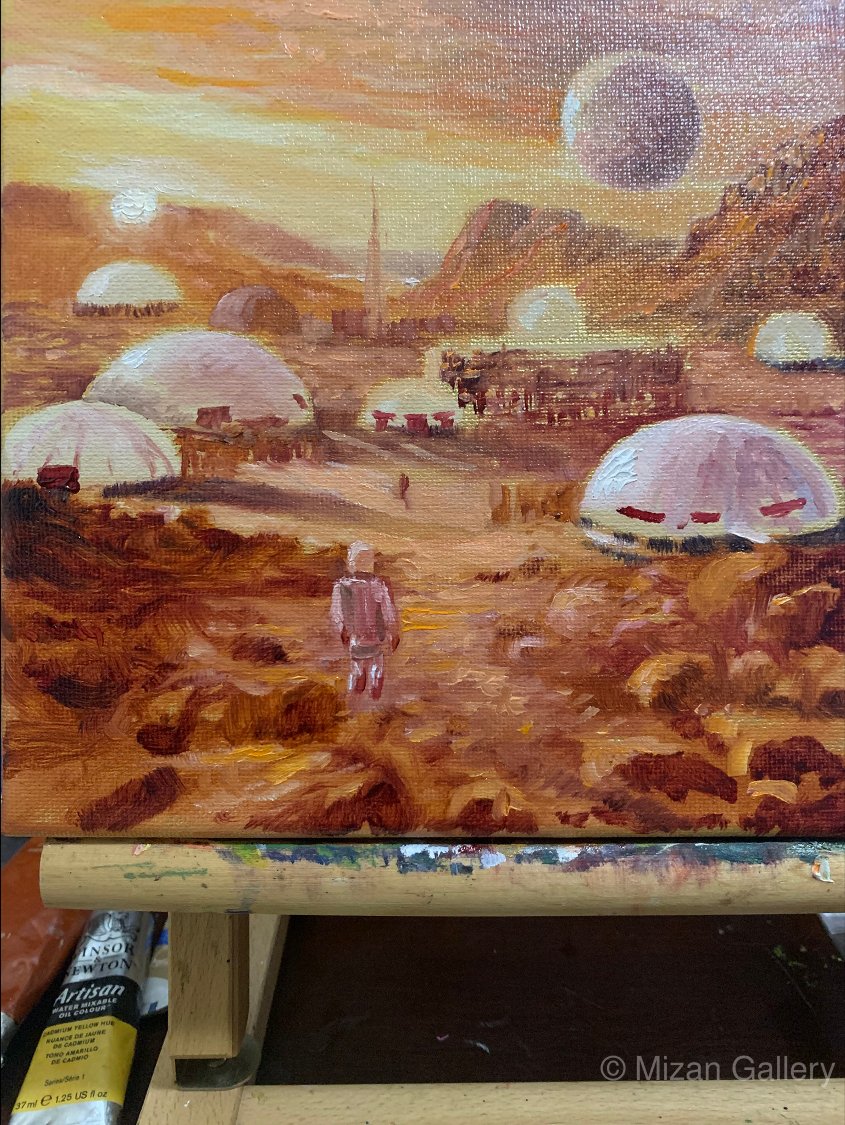
Mars Robotics Habitat
Failed Canvases, Necessary Steps

This piece came from trial and error. Many small 8×8 studies were painted and discarded before this moment. Each failure refined my understanding of Mars. Its emptiness, its texture, and its resistance to familiar landscape rules.

Final Mars Artworks

Mars, painted after many failures and a lot of learning.

Mars, painted after many failures and a lot of learning.
Caption: A home for humanity, imagined where science meets silence.

Size: 48 in × 48 in

Medium: Oil on canvas

The Story Behind My Mars Art

Inspired by Prof. Dr. Olivier de Weck, MIT Department of Aeronautics and Astronautics. Wikipedia

I love painting landscapes because our Earth is so beautiful, but I have always been curious about other planets. Mars challenged everything I knew about landscape art. There are no trees, no rivers, no familiar sky to guide the eye, only silence, dust, and time.

At an MIT Christmas party, I had the opportunity to meet Prof. Dr. Olivier de Weck from the MIT Department of Aeronautics and Astronautics. He is incredibly humble and kind. He spoke about his book on Mars, and that conversation inspired me. Why not create art on Mars?

When I decided to paint Mars, imagination alone was not enough. I had to learn the planet first. I studied its surface, its light, its iron-rich soil, and the way distance and atmosphere, or the lack of it, shape color. What appears red at first glance is never just red.

I began with small 8×8 canvases. Many of them failed. Many were thrown away. Each attempt taught me what Mars is not. Slowly, through repetition and rejection, I began to understand an imaginative truth, how Mars might feel rather than how it simply looks.

Without trees or rivers, the land itself became the subject. Texture replaced foliage. Color replaced life. Silence replaced motion. This painting is not a photograph of Mars; it is a conversation between science, imagination, and persistence.

Mars did not come easily to me, but that struggle became part of the painting itself.